Estimated reading time: 5 minutes.
Denmark Street, often referred to as London’s Tin Pan Alley, is a vibrant hub for music enthusiasts and a historic site that showcases the city’s rich musical heritage. Nestled just a few steps away from Tottenham Court Road, this iconic street has attracted famous musicians like David Bowie and Elton John, making it a must-visit for both avid music lovers and casual visitors. Whether you’re looking to explore legendary guitar shops, experience live music, or simply soak in the atmosphere of a place where music history was made, Denmark Street offers something for everyone. With its blend of past and present, it’s an integral stop on any London itinerary.
Table of Contents:
- Why Visit Denmark Street in London?
- A Brief History: How Denmark Street Became London’s Tin Pan Alley
- What to Explore: Iconic Venues, Shops, and Sights on Denmark Street
- Live Music in London: Why Denmark Street is Still Buzzing
- Tips for Getting the Most out of Your Visit
- Where to Stay: The Cumberland Hotel Puts You Center Stage
- Frequently Asked Questions
Why Visit Denmark Street in London?
Walk just a few blocks from Tottenham Court Road, and you’ll find yourself on Denmark Street – London’s most musical street. For over a century, it’s been the heart of Music in London, a magnet for rock legends, up-and-coming artists and everyday music lovers. As a trusted guide for guests at The Cumberland Hotel, this is one spot we never stop recommending for what to do in London – whether you’ve got one day in London, or just want to see where music history is still being made.
Step onto Denmark Street and you’re on the same pavement where David Bowie, Elton John and the Sex Pistols once hung out. The legacy is alive in the guitar shops, late-night clubs, and studios that line these few atmospheric blocks. You don’t have to be a musician to enjoy it – though if you are, you may never want to leave.
A Brief History: How Denmark Street Became London’s Tin Pan Alley
You’ll spot the blue plaques and vintage shopfronts, but Denmark Street isn’t stuck in the past. Since the early 1900s, it’s been London’s answer to New York’s Tin Pan Alley. Music publishers set up shop here around 1911, making it the epicentre for British songwriting and pop hits for decades. If you’ve heard of The Kinks or The Rolling Stones, you’ve already heard a little Denmark Street.
In its heyday, nearly every building was packed with publishers, musicians, and tiny studios – it’s where Elton John started as an office boy, and where punk took root in the ’70s. While the area’s changed, the vibe hasn’t: there are legendary studios, independent shops, and the low hum of amp feedback from every doorway.

What to Explore: Iconic Venues, Shops, and Sights on Denmark Street
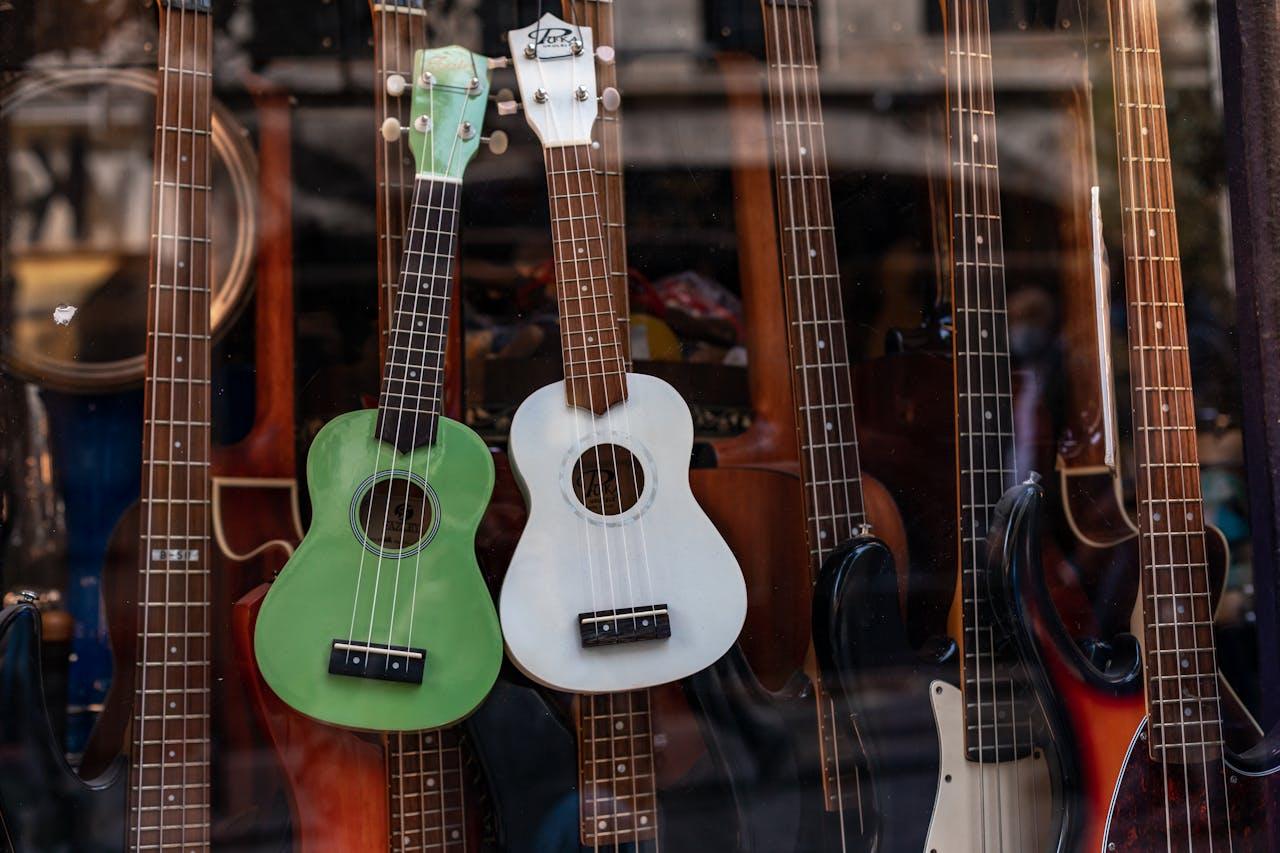
Start your stroll at Charing Cross Road and look for the bold facades, vintage neon, and shop windows full of beautiful guitars. Each venue and shop here is worth a look, but some should go straight to the top of your list.
Legendary Guitar and Instrument Shops
Regent Sounds Studio / Regent Sounds
This is as close as you’ll get to standing in the footsteps of giants – Regent Sounds at No. 4 is where The Rolling Stones cut their very first album. These days, it’s a cherished dealer for Fender and Gretsch, with plenty of retro charm left from its studio days. If you love a good guitar wall, leave extra time. Visit the official shop at Regent Sounds.
Chris Bryant’s Musical Instruments
Right on the corner of Denmark Street and Charing Cross, Chris Bryant’s is a must if you want to chat to someone who truly knows their craft. One of the best-preserved shops for musical heritage, with friendly, expert advice. Browse their current range or get more info via Chris Bryant’s Musical Instruments.
Denmark Street Guitars
Possibly the busiest shop on the street, with a claim to be the biggest guitar dealer in Britain (over 3,000 instruments in stock at any time). From new Fenders to rare vintage Les Pauls, it’s a slice of guitar heaven – and a collector’s landmark. You’ll see musicians around the world rave about it. Check their collection at Denmark Street Guitars.
No.Tom Vintage & Classic Guitars
If you’re looking for a shop that feels like a museum (but where you’re actually allowed to try the merchandise), No.Tom is your place. Tucked just in at No. 6, it’s packed with vintage blues, jazz, and rock guitars – each one with its own story. Find out more about what’s on offer at No.Tom Vintage & Classic Guitars.
Macaris
Originals since 1958, Macaris is your destination for serious Gibson stockists and the sort of family-run service money can’t buy. Plenty of classic rock attitude, and best of all, they’re still run by the Macari family themselves – don’t miss their vintage pedals. Click through to Macaris for a taste of their legacy.
Legacy & Independent Spaces
Argents
Rod Argent (yes, the founder of The Zombies) put his name on this sheet music shop at No. 19, and it still stands out as one of the top places to find notation, teaching guides, and those hard-to-track-down DVDs. Even if you’re more Spotify than sheet music, it’s a window into London’s songwriting history. Explore further at Argents Music.
Rose, Morris & Co.
Are you the Beatles’ biggest fan? This is the shop credited with introducing the Rickenbacker guitar to Britain, a key part of the Fab Four’s sound. Rose Morris has survived nearly 100 years in the business and is still open at the time of writing. Their history of innovative instruments is well documented by Rose, Morris & Co..
Tin Pan Alley Studios
Still a working recording studio, Tin Pan Alley at No. 22 has hosted everyone from jazz greats to Acid Jazz Records. You can’t always drop in, but it’s worth pausing to read the front – it’s where the business of British rock got serious. For a bit of backstory, take a look at this summary of Denmark Street’s musical role on Wikipedia.
Nightlife & Performance Spaces
Alleycat Bar and Club
Downstairs, below Regent Sounds, the Alleycat is pure after-hours energy. It’s one of the most reliable places for live gigs and club nights on the street, with music that runs late and a fun, informal crowd. Keep an eye on the door – you never know who’ll show up, and the stage has welcomed plenty of future stars. What’s on this week? Pop over to The Alleycat.
Acid Jazz Records
More than just a record label, Acid Jazz is woven into the fabric of Denmark Street’s alternative and indie scene. Their HQ isn’t always open to walk-ins, but fans can get a sense of the label’s contribution to London’s music culture here. Spot the rare releases and posters dotted along Denmark Street – you might recognise a few names.
Legacy Venues: No Longer Open, Still Iconic
Some venues have shut their doors, but they still hold a place in London’s musical heart. Here’s why they’re worth noting:
- Helter Skelter Bookshop: The go-to for out-of-print music books. Gone, but still fondly remembered by collectors.
- Gioconda Café: The social spot of choice for Bowie, The Kinks, and the heart of the R&B crowd, now gone but forever namechecked in London music lore.
- 12 Bar Club: Legendary stage for everyone from Adele to The Libertines. Closed in 2015, but its stories live on. You can read about these and more on the Paradise Road overview of Denmark Street.
More Ways to Experience Denmark Street
It’s not just about the big names. Pick a direction, and there’s something new on every visit.
- Photograph the classic shopfronts (and vintage neon)
- Listen for snippets of live rehearsals, often drifting out onto the pavement
- Check out the blue heritage plaques (spot who played or wrote here)
- Duck into a bar for a drink and a soundtrack spun by someone who actually knows their albums
- Ask for advice in a guitar shop – the staff here are among the friendliest in Central London Hotels’ neighbourhoods
And if you’re keen to explore further, Denmark Street is a short walk from Covent Garden, Soho, and Tottenham Court Road, putting you within easy reach of even more London Hotels, theatres and attractions.

Live Music in London: Why Denmark Street is Still Buzzing
Despite decades of change and a few big closures, Denmark Street remains one of the most important places to experience Live Music in London. The magic here is in its scale – it’s not arena-sized, but you never know who you’ll stumble upon on a tiny stage or in a late-night jam.
Spot Spontaneous Sessions
You’ll sometimes hear rehearsals and short gigs right from the guitar shops, especially on weekends. There are regular “plugged-in” sessions, and most shop staff are happy to share behind-the-scenes stories if you ask politely.
Look for Special Events
Denmark Street often features in festival line-ups, record store days, and special summer events. To check what coincides with your trip, have a look at the official Visit London gig listings or check out music news via Time Out London’s main page.
Wander into a Bar and Discover Something New
You don’t have to plan every minute. Spend a night exploring, and you’re almost guaranteed to discover a new band, a secret acoustic set, or a rare record on the decks. Denmark Street isn’t the only answer to “What to do in London,” but it’s certainly one of the cool options for music fans.
Tips for Getting the Most out of Your Visit
Whether you’re a seasoned musician or planning your first one day in London getaway, here’s how to make Denmark Street work for you.
Go Early for Browsing, Late for Gigs
Shops generally open between 10:00 and noon. If you’re hunting for instruments or want to chat with the experts, arrive early, especially on weekends when the area gets busier. For Live Music in London, evenings are king; bars and clubs start to fill after 7:00pm.
Bring a Wish List (but Leave Room for Surprises)
Nothing beats stumbling across the “one that got away.” Make a note of any must-see shops or studios, but give yourself space for detours. Denmark Street always has an unexpected gem.
Ask Questions in Shops
Staff here are proud of their history, and most are happy to chat about the street’s legacy – from the origins of a particular guitar to a favourite gig memory. Chances are you’ll leave with good recommendations for what to do in London next.
Take Photos Respectfully
The facades are striking, and the memorabilia inside can be pretty special. Always ask if you’d like to snap photos in-store; the answer is often yes, especially if you appreciate the history.
Make Time for Food and Coffee Nearby
While Denmark Street itself is focused on music, there are plenty of coffee shops, pubs, and restaurants just around the corner, especially towards Soho and Covent Garden. Great for a break between shops or venues.
Check for Special Open Days
Some studios and shops take part in open days or offer mini-tours. Keep an eye out on community boards, or ask directly.
Use The Cumberland Hotel’s Central Location
More on this in a moment, but remember: if you’re staying at The Cumberland, you’re easily connected by tube, bus, or even on foot. Our front desk love offering personalised music walking maps – just ask.
Where to Stay: The Cumberland Hotel Puts You Center Stage
When you’re set on exploring the capital’s musical core, few bases compete with the location, energy and comfort of The Cumberland Hotel. As a Central London Hotel with its own musical DNA, we know what makes a trip to Denmark Street extra special.
Our guests love that we’re moments from Oxford Street, Hyde Park, and the West End – so you can wake up within easy reach of Denmark Street’s best before the day’s crowds arrive. Whether you’re checking in for business or pleasure, being this central means those late-night gigs, spontaneous finds, and early studio strolls are practical, not just clever ideas.
If you need recommendations for other London Hotels near Hyde Park that echo our musician-friendly vibe, our reception team is always happy to share tips – but we believe the sense of music history, live performance, and cultural discovery at The Cumberland should be your first port of call.
Discover why so many regulars choose us as their Central London Hotel headquarters. Dive into our themed suites, Music Lounge, and live performance calendar and you’ll see how we bring the spirit of Denmark Street into our own walls. When you’re looking for Hotels Near Hyde Park with real local knowledge – and a direct line to the sounds of London – you’ll find plenty to love at The Cumberland Hotel.
FAQs: Visit Denmark Street
-
Denmark Street sits less than 15 minutes from The Cumberland by tube (take the Central line to Tottenham Court Road) or a brisk walk through the West End. If you prefer buses, several routes pass along Oxford Street and Charing Cross Road. We can help you plan pedestrian-friendly routes for a London Hotels experience that lets you take in the sights along the way.
-
Absolutely – and you won’t feel pressured if you’re only window shopping. The atmosphere is welcoming and curious guests are as regular as the pros. Whether you’re ready to buy or just want to test a few strings, the staff are experts at reading the room.
-
Yes, check out up-to-date music calendars by browsing Visit London’s recommendations or current gig guides. Some years see special festivals celebrating the street’s lasting musical legacy, as well as “Record Store Days” and pop-up events hosted by venues and shops.
-
The area is lively in the evenings and the main street is well-lit. Standard city awareness applies. If you’re heading to a late gig and want advice on the best return routes, our front desk are always happy to help guests travelling back to Hotels Near Hyde Park and the wider area.
-
If Music in London is even a passing interest, then yes. You can explore the highlights in under two hours, or spend an afternoon browsing and bar-hopping. Its location near so many other top attractions makes it easy to slot into any itinerary for one day in London.